Sustainability Spotlight: The Nominees Are In!
At Spirit, sustainability is at the core of everything we do. Therefore, there’s nothing we love more than shining a spotlight on exhibiting brands who share this passion and are striving to make a positive impact with their products.
With the above in mind, we are delighted to announce our nominees and final shortlist for the 2026 Sustainability Awards!
Each of these brands has been hand-picked by our committee for their deep commitment to sustainable practices, and six have now been shortlisted to be in the running to win this year’s Spirit Sustainability Award!
Abingworth Vineyard
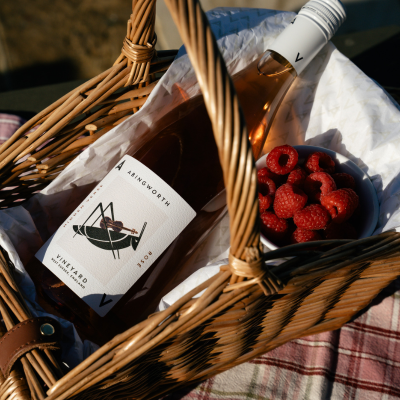
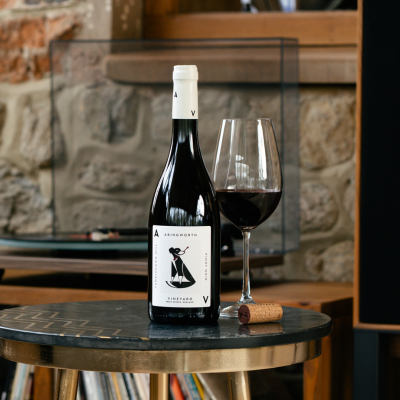
At Abingworth, sustainability is not just a policy, but a daily commitment. From the way they farm and make wines, to how they care for the land, wildlife, and community, every decision is made with the future in mind.
Through a range of initiatives including rainwater harvesting, solar-powered operations and a focus on local sales and short supply chains, they blend traditional methods with innovation to create wines that honour the landscape, wildlife, and the people around it.
Visit them at stand: FD110
Babble & Goose

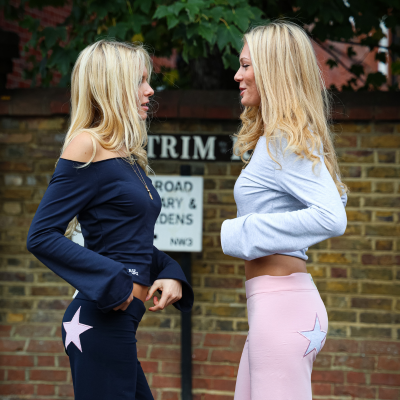
At Babble & Goose, they believe the future of fashion depends on making conscious consumption feel desirable, not restrictive.
They create clothing for a young generation that cares about what it buys, with a slow-fashion model built around short runs in response to demand. Their garments are made in the UK, and they offer a preloved scheme where customers can sell their old Babble & Goose joggers back to them for store credit when they grow out of them.
They hope that by making responsible choices part of a brand that young people genuinely want to wear, this will help make conscious consumption the norm for the next generation of fashion consumers.
Visit them at stand: M83
BENNETTO - Finalist
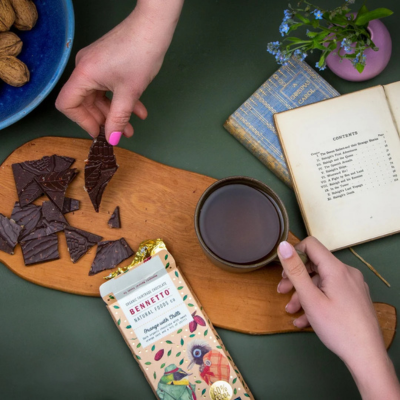
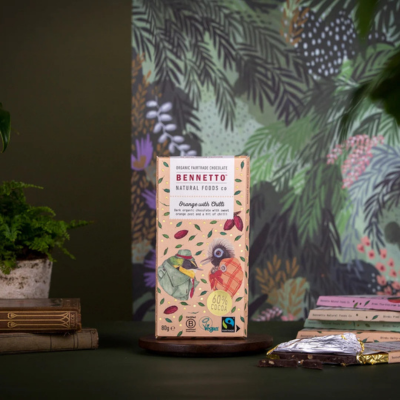
Sustainability is deeply embedded throughout Bennetto, from the chocolate itself through to the presentation and delivery materials.
Their gift boxes, postal and individual chocolate bar wrapping are produced using FSC-certified materials. This means the materials have been selected with responsible sourcing in mind, helping them reduce environmental impact without compromising on presentation or quality.
The products inside the gift boxes follow the same principles: all Bennetto chocolate is certified Organic and Fairtrade, vegan and gluten free, and produced in a carbon-neutral factory in Switzerland. The cocoa is physically traceable and operates with a 100% no-deforestation approach to sourcing, with farms already practising agroforestry or actively transitioning towards it.The gifting range is therefore designed to reflect the wider values of the business: thoughtfully sourced products, responsibly selected packaging materials and a commitment to creating positive environmental and social impact throughout the supply chain.
Visit them at stand: GT01
Dappled Shade - Finalist

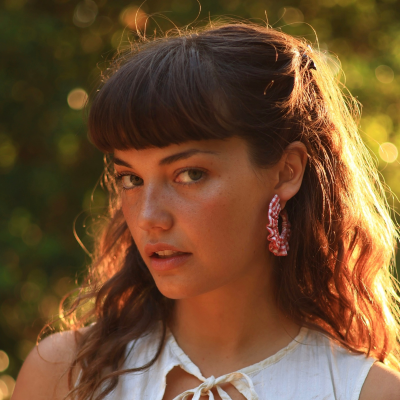
Dappled Shade is centred around sustainability and social impact, exclusively using offcuts from other fashion brands to make each pair of their ruffle hoop earrings. Through collecting and repurposing each offcut, they help brands become zero-waste businesses and are therefore helping the fashion industry become a circular economy.
They also support the women in Downview prison in their textiles workshop as a means of rehabilitation. The founder, Gemma, trains the women in the earring-making process, helping them learn new skills, feel part of a team, and paying them a fair wage for their time.
Visit them at stand: R101
Dead Sea Dream - Finalist
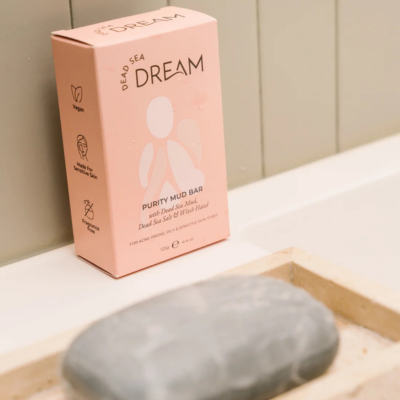
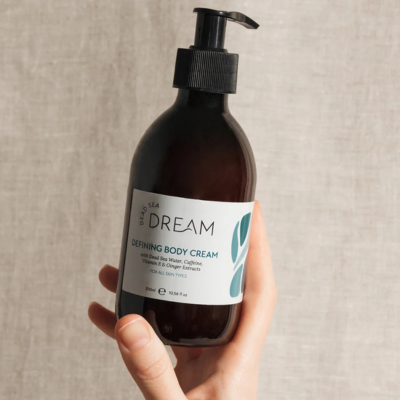
Dead Sea Dream is committed to being and remaining a cruelty-free, vegan and unisex brand for all. They also pledge to work with companies who share their vision for a responsible approach to beauty and wellbeing, and who are committed to minimising waste.
Not only that, but a percentage of their revenue will be donated to The Dead Sea Revival Project, which is committed to raising awareness and preserving the Dead Sea environment.
Visit them at stand: E75
Diya Aromas
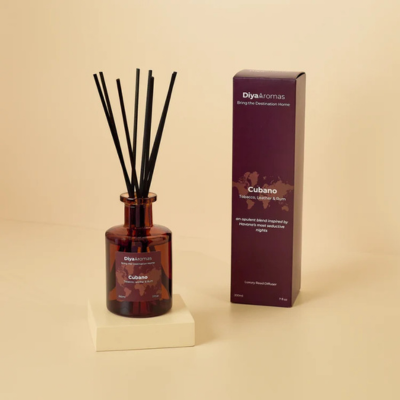
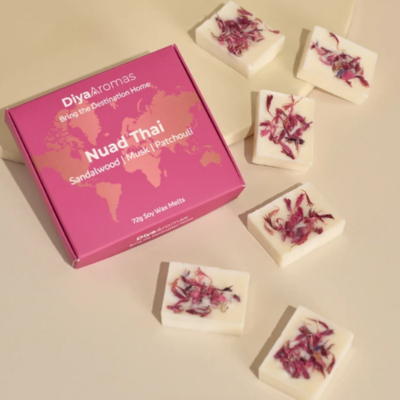
All Diya Aromas products, made with soy wax and natural fragrance oils, are handmade in their home in Waltham Abbey, Essex. They produce in small batches to ensure quality and reduce waste from out-of-date products.
Their materials also have a local focus, with their primary wax supplier being based in Scotland, and all packaging produced in Kent.
Visit them at stand: E25
Koy Clothing
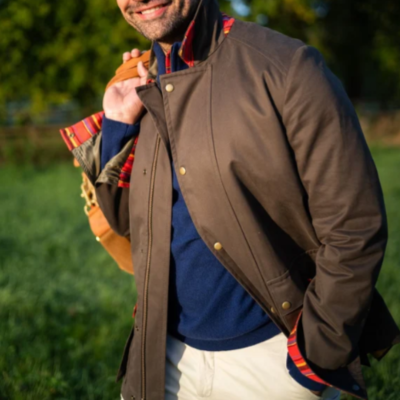
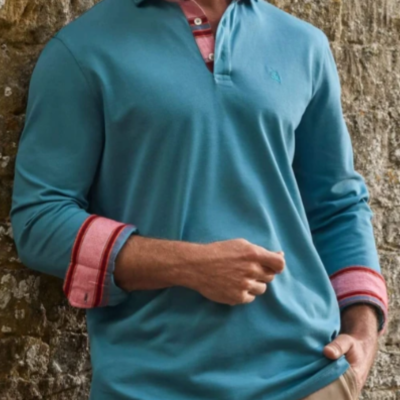
Since their first garment was stitched, 20% of their profits have gone to projects in Kenya, more than £90,000 so far.
The founders grew up in Kenya, and giving back was part of Koy from day one. In the early years, that meant smaller donations to a range of local projects. As Koy grew, so did what they could do: first a long-term partnership with a children’s charity, and then their most ambitious project yet. In 2026, they built a Sand Dam in Kenya providing safe drinking water to 3,000 people who previously had to walk up to 4 hours to fetch water.
Visit them at stand: K105
lily and sophia
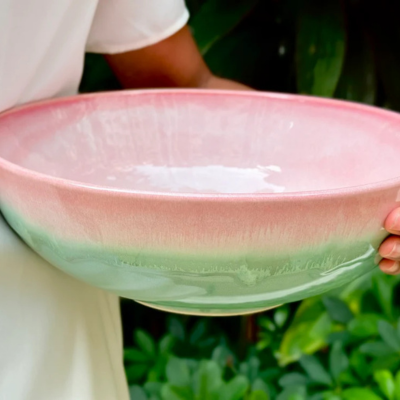
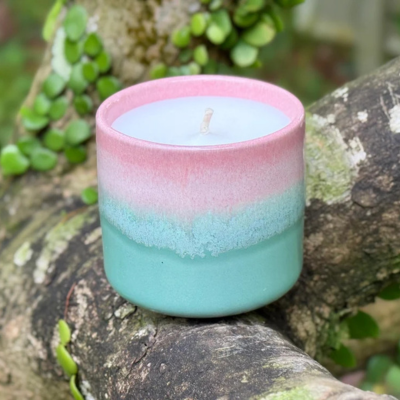
At Lily and Sophia, they are a pottery-for-a-purpose brand, existing to allow you to have beautiful things that do beautiful things.
They proudly celebrate “craftwomanship”, with all of their pieces being handmade by Vietnam’s first female-owned and led pottery studio.
They are also partnered with Blue Dragon Children’s Foundation, so every piece you buy provides meals for homeless children in Hanoi, Vietnam.
Visit them at stand: P161
Maison Elhoria LTD
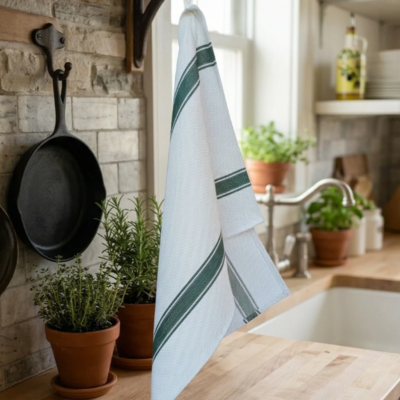
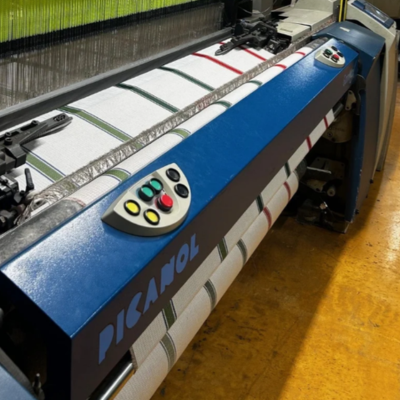
Maison Elhoria makes woven kitchen and table textiles for everyday use, all year round, not for one season.
They create their own striped cloth in partnership with their weavers, so the colour is woven through the fabric rather than printed on top. Their core Rainbow and Red Orange Pink cloth is woven in Lancashire from GOTS-certified organic and recycled yarns, exclusively for Maison Elhoria, and sewn in the north of England, which keeps their main supply chain short and in one region.
They work from their own designs in small runs, with cutting planned so that three pieces come from each width of the roll, and the offcuts that remain become key rings and other small pieces.
Visit them at stand: G70
OARSUM
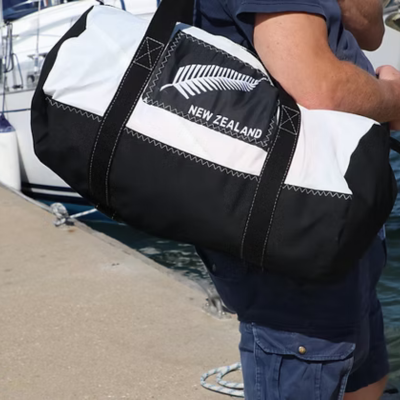
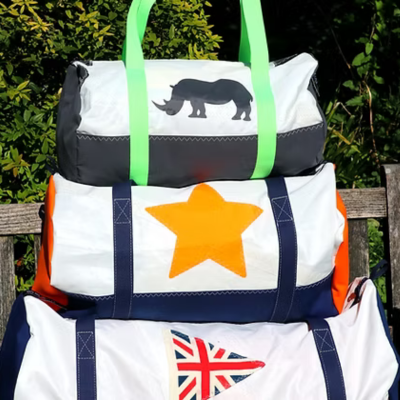
OARSUM is a business built on upcycling old boat sails, sailing canvas and speedboat covers into a range of practical products, from tote bags to travel backgammon sets.
The family business, based in Hampshire, makes all the products by hand here in the UK and lives by their motto, “giving sails a second life”. They prevent a very tough man-made fibre that takes thousands of years to biodegrade from being put into landfill.
Visit them at stand: G95
Queen Sparrow
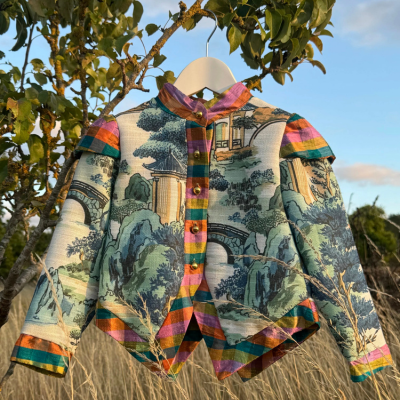
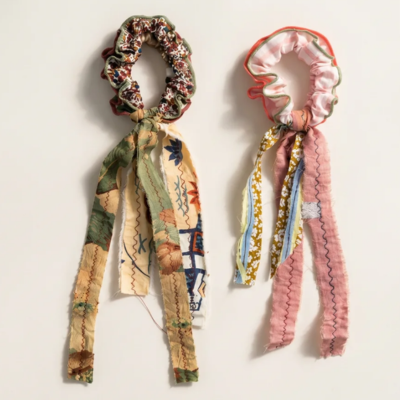
Queen Sparrow’s garments are made entirely from pre-loved fabrics, blending an enchanted fairytale vision with sustainable style embedded into every stitch.
They are a proud UK-based brand, sourcing and fabricating everything exclusively within the UK, minimising their carbon footprint, reducing transportation emissions and making sure their clothes are as green as they are captivating.
The Flower Moon dresses are made from reclaimed cotton and linen purchased through FibreLab, an East London organisation that rescues high-quality linen from hotels and restaurants before it enters the textile waste stream. By choosing reclaimed over newly manufactured fabric, they help extend the life of valuable natural fibres while reducing demand for virgin textiles.
Rather than following the traditional fashion calendar, Queen Sparrow releases just three carefully curated collections each year. Produced in small batches alongside one-of-a-kind pieces, this slower approach avoids overproduction, celebrates thoughtful craftsmanship and encourages customers to buy less but choose better.
Visit them at stand: J30
Safariki
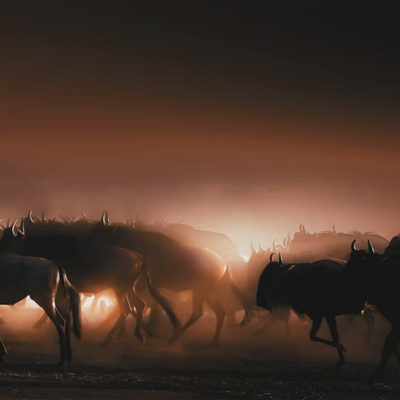
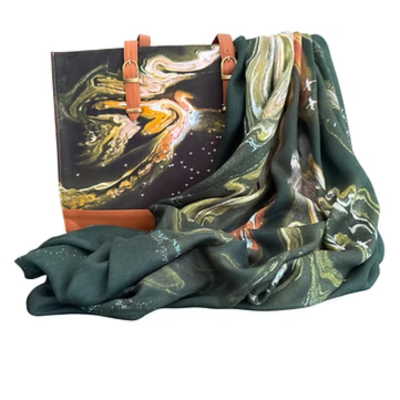
At Safariki, sustainability is woven into the essence of their brand. Their collections feature a carefully considered selection of fabrics, including 100% cotton, GOTS-certified organic cotton, 100% cotton canvas and 100% polybutter silk.
Every Safariki piece is designed in-house and produced in small, considered batches. Their collections are not white-labelled or mass-produced, allowing them to create distinctive pieces with a more mindful approach to production and minimise unnecessary overproduction.
Through their partnership with the David Shepherd Wildlife Foundation, they contribute towards wildlife conservation and the protection of endangered species and their precious habitats. Safariki creates wearable art with purpose: celebrating nature, honouring craftsmanship and giving back to the wild that inspires them.
Visit them at stand: H55
Scotfield Alpaca
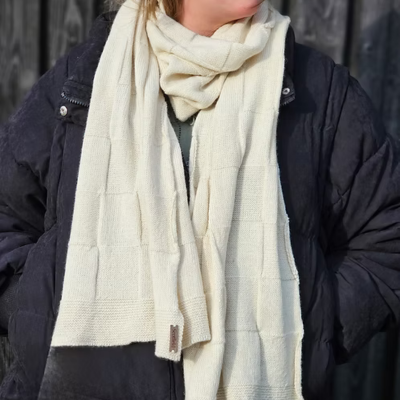
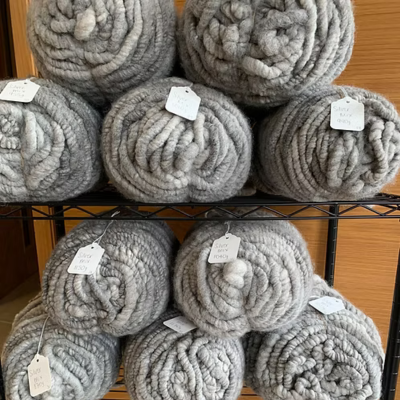
At Scotfield Alpaca, sustainability is at the heart of everything they do. Their products begin with their own herd of alpacas, which are ethically cared for on their family farm in Berkshire.
Alpacas have a naturally low environmental impact, with soft padded feet that are gentle on pasture and an efficient grazing habit that helps protect the land.
By sourcing and processing everything within the UK, they reduce transport miles while supporting British agriculture and manufacturing. Their knitwear is made from 100% natural British alpaca fibre, with no synthetic blends or dyes.
They celebrate the beautiful natural colours of the fleece, eliminating the need for chemical dyeing while showcasing the unique shades nature provides.
Visit them at stand: D5
Swole Panda
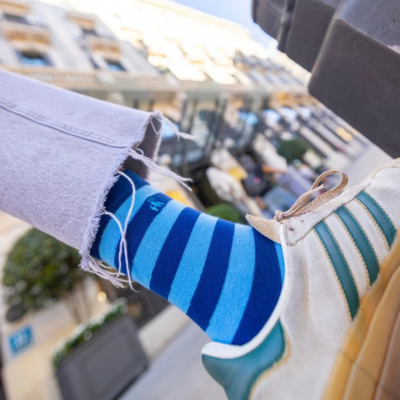
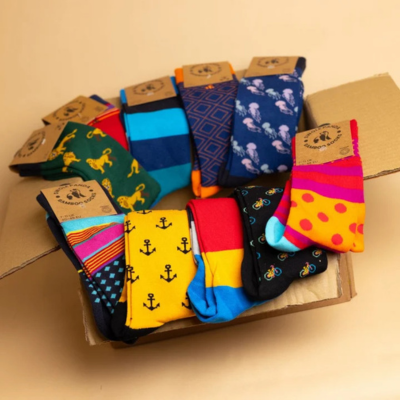
Sustainability is embedded across Swole Panda’s product design, material sourcing, operations and long-term decision-making.
Their core products are made using responsibly sourced bamboo-derived fibres, recycled materials and lower-impact alternatives to conventional textiles. This includes bamboo viscose used across their socks and underwear, REPREVE® recycled fibres in their woven belts, and LIGNIFY®, a plant-based alternative to traditional leather.
Packaging is kept to a minimum, with recyclable materials used wherever practical, and they continually review product construction, suppliers and packaging to reduce waste and environmental impact.
They work closely with long-term manufacturing partners and assess suppliers against environmental, social and ethical standards. Sustainability considerations form part of their procurement and product development decisions, including material selection, production methods, packaging, transport and product lifespan.
Visit them at stand: O75
The Happy Bowl - Finalist
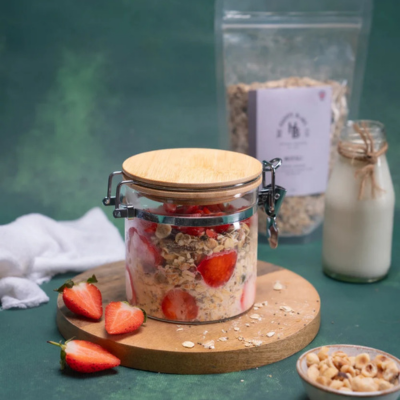
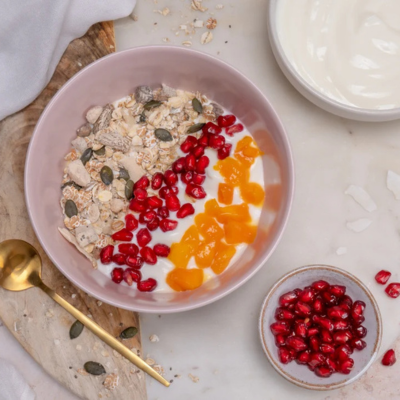
Their handcrafted breakfast blends (granolas, mueslis and porridges) and luxury roasted nut clusters are made exclusively from 100% natural, plant-based wholefoods. They use zero refined sugars, artificial preservatives or emulsifiers, and there are zero synthetic ingredients in their products.
Their foundational base grains (oats, wheat, barley and rye flakes) are British-grown and milled to reduce food miles and support domestic agriculture. Where ingre
dients cannot be grown in the UK due to climate, they strictly prioritise certified Organic varieties sourced through reputable UK ethical wholefood cooperatives.
Their packaging is designed with circularity and waste segregation at its core, achieving a 100% reusable or recyclable profile across their core product lines.
Visit them at stand: FD109
The Oxton Liqueur Company
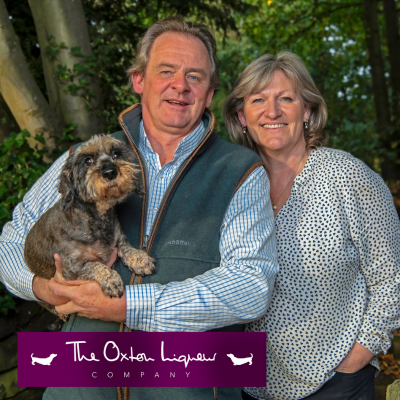
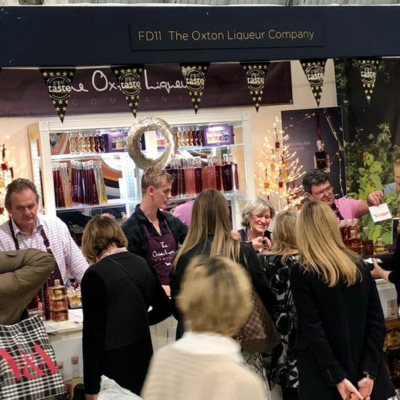
The Oxton Liqueur Company combines local sourcing, regenerative agriculture, reuse, sustainable materials and low-carbon production to maximise positive environmental impact.
With a focus on home-grown or locally foraged ingredients in Nottinghamshire, they create minimal food miles and a near-zero-carbon supply chain.
They also prioritise regenerative agriculture, with damson trees, pigs and hedgerows which work together to improve soil health, carbon sequestration, water cycles and biodiversity.
Their reusable packaging and bottles reduce waste and avoid the resources and energy needed to produce replacements.
Visit them at stand: FD13
The Sustainable Christmas Tree - Finalist
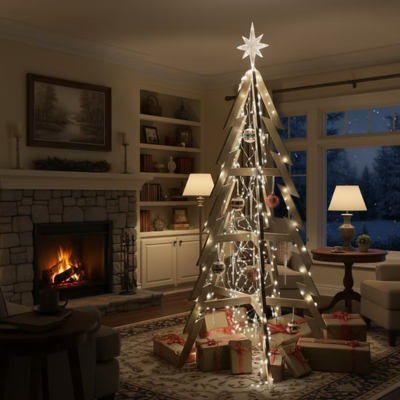
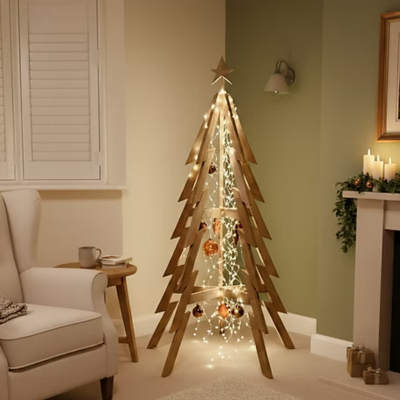
At Scalable Designs, sustainability is embedded in the design, materials and lifecycle of their products.
Their flagship Sustainable Wooden Christmas Tree is designed as a long-lasting alternative to both disposable real trees and short-lived artificial trees, with the intention that customers can use the same beautiful tree for many years rather than replacing it annually. Their trees are handmade in the UK using European Oak sourced from suppliers whose timber is certified by FSC or PEFC, supporting responsible forestry practices. The trees are supplied untreated, allowing the natural beauty of the timber to be enjoyed without unnecessary finishes or coatings.
Their products are designed to become part of customers’ Christmas traditions, rather than something that is bought, used and discarded. By combining responsible materials, durable construction, repairability, compact storage and timeless design, they aim to demonstrate that sustainability can go hand in hand with quality, style and long-term value.
Visit them at stand: B70
Timeless Crackers

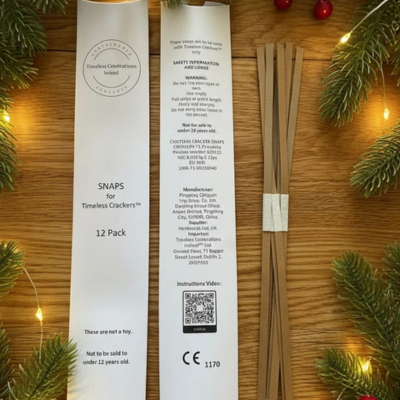
Discover Timeless Crackers®: luxury reusable fabric Christmas crackers, handmade in Ireland. Their crackers are finished with recycled satin ribbons and Velcro made from 55% recycled materials. Choose your set size and check each product page for its contents, gift options and snap availability for your delivery destination.
Visit them at stand: J15
Told London
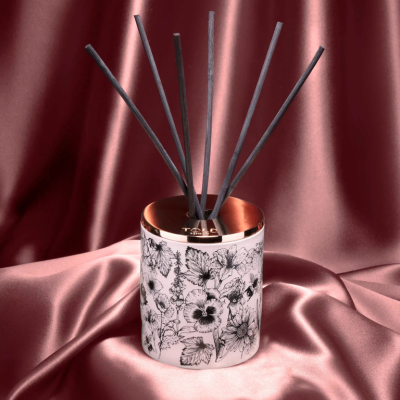
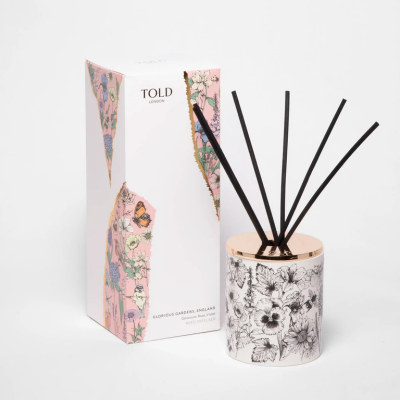
Founded by Lillie and Christopher Edgar and launched in 2025, they compose each fragrance with a world-class perfumery house, draw it from a real place, and hold it in a hand-illustrated porcelain vessel by Kerry Lemon.
The candles and diffusers are refillable: the porcelain stays, the scent is renewed. Slow luxury sits at the core of their fragrance collection. Told designs every aspect of its products to reduce waste and support a greener future, from refillable porcelain vessels to plastic-free materials and responsible suppliers.
Visit them at stand: O13
Tutu Pikin - Finalist
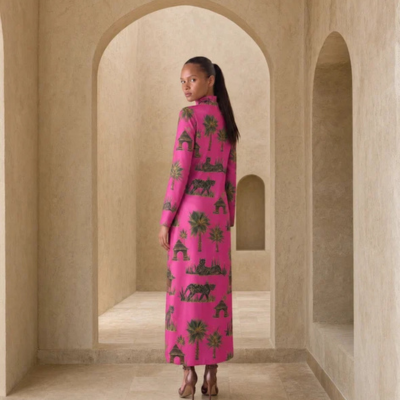
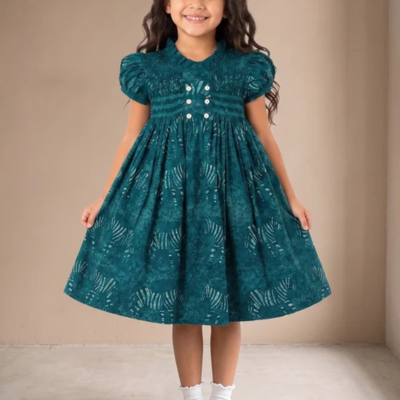
At Tutu Pikin, they believe luxury should be beautiful, considered and rooted in responsibility.
Every Tutu Pikin garment begins with real craftsmanship. Their fabrics are hand-drawn, hand-painted and hand-dyed by skilled African artisans, before being thoughtfully transformed into pieces designed to be cherished, worn and passed on.
From the sourcing of materials to the making, presentation and marketing of their collections, Tutu Pikin is committed to a considered approach that honours quality, durability, cultural heritage and respect for the people behind their work.
Visit them at stand: Q55
Willow Hammond Art
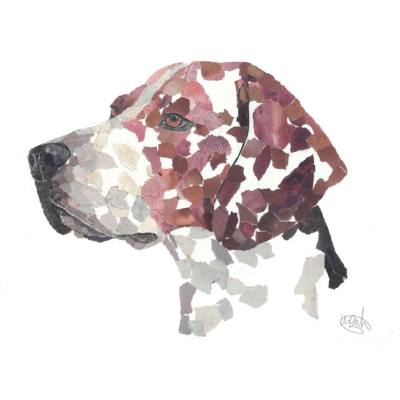
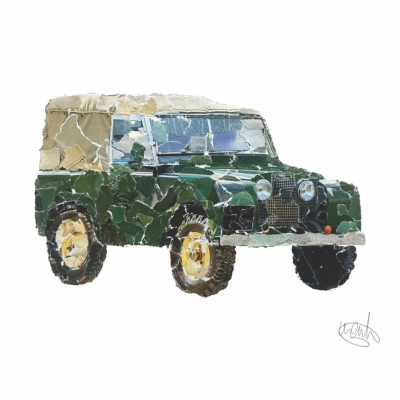
Willow takes ordinary materials, such as magazines, and turns them into pieces of art.
With a degree in Equine Behaviour and Welfare and a deep fascination for animals and art, Willow combines her passions, bringing them to life through a unique blend of sketching and paper layering. Her work blends realism with playful abstraction, giving familiar animals a fresh, expressive voice while promoting sustainability through her choice of materials.
Visit them at stand: GG28